What Makes a Dog Hypoallergenic?
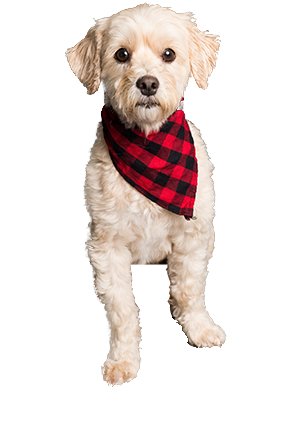
Let’s get straight to it: “hypoallergenic” doesn’t mean “allergen free.” When it comes to dogs, it’s more about how much of certain allergens they produce and how easily those allergens spread around your home.
The biggest culprits? Dander, saliva, and shedding fur. Dander is the flaky stuff that comes off a dog’s skin and floats invisibly into your space. When dogs lick themselves (which they do constantly), enzymes in their saliva dry on their fur and skin, becoming another invisible irritant. Meanwhile, shedding fur acts like a delivery system, carrying those allergens throughout your house.
A hypoallergenic dog generally produces less of those things, or spreads them less effectively. It might have a coat type that traps dander so it doesn’t float around. Or it may shed less, meaning fewer allergen particles circulating in the air and clinging to furniture.
Still, no dog is 100% safe for allergy sufferers. But some breeds are far easier to live with than others, especially if you’re willing to pair smart care habits with the right match. If you’ve got allergies but still want a dog, focusing on hypoallergenic breeds gives you a real shot at making it work.
Top Hypoallergenic Dog Breeds to Consider

Poodle (Toy, Miniature, Standard)
Poodles are a top pick for allergy prone households, and it’s not just because of their good looks. Their dense, curly coat traps dander instead of letting it float into the air. They barely shed, which makes cleanup easier. Plus, Poodles are sharp in all sizes. Whether you want a compact Toy or a regal Standard, you’re getting a dog that’s as brainy as it is allergy friendly.
Bichon Frise
The Bichon’s plush, cotton ball coat doesn’t just look soft it stays on the dog. These pups shed very little, and with regular grooming, they stay easy on the sinuses. Their temperament is another bonus: Bichons are gentle, playful, and good with kids, making them ideal for families who need a low allergen companion.
Portuguese Water Dog
Originally bred to help fishermen, the Portuguese Water Dog comes with a water resistant single coat that doesn’t shed much. They’re active, keen to learn, and love to be part of the action. A good fit for households with space and people who want a trainable, energetic buddy that’s easy on allergies.
Schnauzer (Miniature, Standard, Giant)
Schnauzers offer a rugged, allergy conscious option in three sizes. Their wiry coat doesn’t shed much, but it does need regular grooming to stay in check. These dogs are alert, loyal, and protective. If you want a hypoallergenic guard dog with personality and presence, this breed delivers.
Soft Coated Wheaten Terrier
With its signature silky, wavy fur, the Wheaten Terrier stands out and not just in looks. Their coat produces less dander than many other breeds, and they don’t shed much. These dogs are cheerful, warm, and active. Expect daily exercise and a little grooming, and you’ll have a hypoallergenic breed with charm to spare.
Maltese
Maltese dogs don’t have fur they have hair, closer to what humans have. That alone changes how allergens spread. Light shedders and small in size, they fit easily into apartments or smaller homes. Sweet natured and portable, they’re perfect for owners looking for a low maintenance allergy friendly lapdog.
(Want more general information on dog breeds? Check out this list of popular dog breeds for care tips and characteristics.)
Grooming and Maintenance Tips for Allergy Control
When it comes to managing pet related allergies, fur type gets a lot of attention but it’s not the whole story. Regular baths do more to reduce allergens than whether your dog has curls, waves, or straight hair. Frequent washing helps remove dander, the invisible flakes of skin that are a major allergy trigger. Most breeds, even those labeled hypoallergenic, still produce dander. Bathing your dog weekly with a gentle, vet approved shampoo can make a noticeable difference.
Inside the home, air quality matters just as much. HEPA filters pull dander and fur from the air before it settles. Use them in common areas and wherever your dog spends time. Couple that with a solid cleaning routine think vacuuming with a pet specific filter, wiping down surfaces, and washing your pup’s bedding on the regular.
Grooming tools play backup support in the allergy game. Brushes like slickers, grooming gloves, and deshedding tools grab excess fur before it ends up on your floors or furniture. Even hypoallergenic breeds need help controlling loose hair and skin flakes. The cleaner you keep your dog, the more breathable your home becomes for everyone.
No single trick solves the allergen issue, but layered habits can bring relief. It’s about small, steady efforts. Wash, filter, brush, repeat.
Matching the Breed to Your Lifestyle
Choosing a hypoallergenic dog isn’t just about minimizing allergic reactions it’s also about finding a pet that fits naturally into your daily life. Consider how your environment, schedule, and family needs align with the breed’s traits.
Key Factors to Consider
Size Matters
Whether you live in an apartment or a home with a yard, size plays a major role. Smaller breeds like the Maltese or Miniature Schnauzer adapt well to compact spaces, while larger dogs, such as the Standard Poodle or Portuguese Water Dog, need more room to roam.
Energy Levels and Exercise Needs
Some hypoallergenic breeds are calm and low energy, perfect for quieter households. Others are highly active and thrive with regular exercise and mental stimulation. If you prefer leisurely walks over park sprints, steer clear of high drive breeds.
Training and Temperament
Hypoallergenic breeds vary widely in trainability. Breeds like the Poodle and Portuguese Water Dog are exceptionally smart and enjoy learning, while others may need more patience and structure.
Hypoallergenic Doesn’t Mean Low Maintenance
While hypoallergenic breeds typically shed less, they often require regular grooming to manage their coats and skin health. Don’t confuse fewer allergens with fewer responsibilities.
Regular grooming to reduce dander
Frequent bathing to minimize allergens
Professional grooming for certain coat types (like the Bichon Frise or Wheaten Terrier)
Kid Friendly and Hypoallergenic?
Yes, it’s possible to have both. Many hypoallergenic breeds are known for their affectionate and gentle nature with children.
Great with Kids: Bichon Frise, Maltese, Soft Coated Wheaten Terrier
Protective Yet Friendly: Schnauzers of all sizes can be loyal family companions when socialized early
If you’re choosing a dog for a household with children, look beyond the allergy factor and consider temperament, social behavior, and energy compatibility.
For a broader look at canine characteristics and care routines, don’t miss our full guide on popular dog breeds.
 Donaldonic Ridge played a key role in shaping Pet Hub Loop, contributing his expertise and dedication to building a reliable platform for pet owners. His efforts in research and content development helped ensure the site delivers accurate, engaging, and useful information for the community.