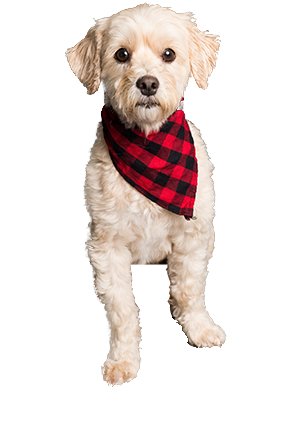

What Hybrid Dog Breeds Actually Are
Hybrid dogs also called designer dogs or crossbreeds are the result of intentionally mixing two purebred parents. Think Labradoodle (Labrador + Poodle), Puggle (Pug + Beagle), or Schnoodle (Schnauzer + Poodle). Unlike unpredictable mutts, hybrids are bred with specific traits in mind, usually combining the best of both breeds in terms of personality, looks, and health.
So why do people go for hybrids? It’s not just the catchy names. Breeders often aim to bring out positive temperaments like the friendly energy of a Lab or the intelligence of a Poodle. Some combinations are also chosen for practical reasons: reducing the risk of certain genetic disorders, or producing a pup that’s less likely to trigger allergies thanks to low shedding coats.
Of course, there are myths. No, not all hybrids are hypoallergenic. No, crossbreeds aren’t automatically healthier than purebreds it depends on genetics, care, and luck. And while some hybrids are more chill or more trainable, each dog is still an individual. Bottom line: hybrids aren’t magic, but when bred responsibly, they can make outstanding companions with the right match and commitment.
Getting the Right Match for Your Life
It’s easy to fall for a cute face. But raising a dog especially a hybrid breed is about a lot more than looks. Match matters. Not just in breed traits, but in energy, size, maintenance, and how all of that fits into your daily routine. That fluffy, high octane doodle might crash your quiet evenings and pull you into a lifestyle you’re not built for.
Start with energy levels. Are you out the door every morning for a run? Or do you value slow mornings and a Netflix filled weekend? Some hybrids, like Huskypoos and Borderdoodles, need serious daily exercise. Others, like Cavapoos or Maltipoos, are more content with moderate movement and couch time.
Next: size. Bigger dogs mean bigger space, from your living room to your car. And grooming don’t underestimate it. Many hybrids come with high maintenance coats inherited from their Poodle lineage. That means brushing, trimming, and the occasional professional groomer visit.
Run a lifestyle audit. Ask: How many hours are you home? How flexible is your schedule? Do you travel often? What’s your tolerance for noise or mess? Choose a dog that fits the life you already have not the one you think you might someday live.
For a deeper breakdown, check out breed lifestyle match. It walks you through practical steps so you know what you’re signing up for before couch prints become a permanent part of your life.
Early Training Makes or Breaks It
Bringing home a hybrid puppy can feel like adopting a toddler on caffeine. These dogs often inherit mixed traits from high drive to sensitivity which is why structure from day one isn’t optional. It’s essential. A clear routine tells your pup who’s in charge, what’s expected, and when things happen. Without it? Chaos, confusion, and unwanted habits settle in fast.
Socialization is also a narrow window game. Between 3 and 16 weeks, pups are the most impressionable. Introduce them to new sounds, people, environments, and other animals early, often, and safely. Waiting too long creates fear and anxiety that’s tough to reverse later. Controlled exposure now saves you years of reactivity battles.
Crate training and housebreaking aren’t glamorous, but they’re your foundation. Use the crate as a calm place, not a punishment zone. Stick to a regular schedule for feeding, potty breaks, and naps. Consistency is your best tool no matter if your hybrid leans stubborn like a bulldog or sharp like a border collie.
Different breeds bring different behaviors, but your strategy stays the same: be calm, clear, and consistent. Set rules. Enforce them gently. Reward progress. Hybrid pups learn fast but they also test limits. Hold the line. They’re figuring you out just as much as you’re figuring them out.
Diet and Health Considerations

Hybrid dogs aren’t plug and play when it comes to feeding and health care. Their mixed genetics mean each dog might respond differently to standard diets. A Labradoodle with a Lab’s appetite and a Poodle’s sensitive stomach? Common. That’s why owners need to ditch the one size fits all kibble mindset and watch how their dog reacts to food over time. Sometimes, grain free works. Sometimes, it doesn’t.
Popular hybrids can also carry the baggage of both parent breeds think hip dysplasia in Goldendoodles or breathing issues in Puggles. Just because hybrids aim for “the best of both worlds” doesn’t mean they dodge all the risks. Genetic diversity can help. It doesn’t create invincibility.
Staying ahead of problems matters more than reacting to them. Regular vet checkups are non negotiable especially in that first year. Bloodwork, joint exams, weight tracking. Supplements like fish oil or glucosamine? Worth talking to your vet about early. Proactive care isn’t extra. It’s essential.
You chose a hybrid for a reason. Feed it like an individual. Protect it like a family member.
Grooming and Everyday Maintenance
Mixed breed dogs come with all kinds of coats wavy, wiry, curly, double layered and they don’t always follow the rulebook. Just because one parent was low shedding doesn’t mean the pup inherits the same. A Labradoodle might have a tight poodle like curl or looser fur that sheds more than expected. With hybrids, coat type can be a wild card, so don’t assume “designer” means low maintenance.
Let’s talk shedding. The term “hypoallergenic” gets thrown around a lot, but it’s misleading. No dog is truly hypoallergenic. Some breeds may produce less dander or shed less hair, but that doesn’t erase allergens entirely. If you’re banking on zero shedding, adjust your expectations or invest in a good vacuum.
Now, on to tools and habits. Routine wins here. A solid brush (type depends on the coat), regular comb throughs, and a gentle dog shampoo go a long way. Build grooming into the weekly schedule, not just when your pup looks shaggy. For curly or dense coats, add in trimming every 6 8 weeks, whether DIY or with a groomer. And don’t forget the basics: clean ears, clipped nails, and regular teeth checks. It’s simple stuff, but staying consistent makes hybrid coat care manageable, not overwhelming.
Bonding and Building a Routine
Hybrid dogs thrive on predictability. That’s not just a nicety it’s a need. These are dogs built from two different lines of instinct and energy. Whether your pup mixes Border Collie with Poodle or Husky with Beagle, their mental and physical demands are high. You don’t have to run marathons, but you do need to meet them where their genes are pointed.
Start with what the parent breeds were born to do. Retrievers love fetch and water. Herding breeds want jobs and boundaries. Scent hounds need nose games. The key is knowing that mental stimulation matters just as much as a walk around the block probably more. Puzzle feeders, short training sessions, hide and seek with treats it all keeps their brains sharp and their boredom in check.
Structure is your best ally. Set routines for feeding, walks, playtime, and quiet hours. Random chaos or inconsistent schedules invite misbehavior, especially in younger hybrids who are still figuring things out. When your dog knows what to expect, they relax. They trust. And over time, that routine becomes the foundation of your bond. It doesn’t have to be perfect. It just has to be consistent.
Mistakes First Time Owners Make
Let’s get something straight: raising a hybrid dog isn’t plug and play. Plenty of first time owners assume they’re getting a laid back, Instagram ready companion who doesn’t ask much. That’s wishful thinking and a fast track to behavior issues and burnout.
First, exercise. Many hybrid breeds inherit high drive from at least one parent. It doesn’t matter if your Goldendoodle looks like a plush toy those genes may trace back to an energetic retriever bred to run and retrieve for hours. Underestimating your dog’s physical and mental needs turns into chewing, barking, digging, or worse. A tired dog is a calmer dog. Miss that, and your couch pays the price.
Early training’s another big one. Some new owners wait until bad habits form before they act. By then, you’re fixing problems instead of building structure. Hybrids need consistency from day one. Crate routines, potty schedules, and early socialization should be locked in the moment your pup comes home. Training isn’t just a phase it’s the foundation.
The biggest trap? Choosing a breed without doing your homework. It’s easy to fall for a cute face or a trending mix, but if you don’t match the breed to your lifestyle, you’re looking at years of mismatch and frustration. Don’t know where to start? Revisit our guide on choosing the right breed for your lifestyle. It walks you through evaluating your time, energy, and expectations with zero fluff.
Bottom line cute isn’t enough. Get informed, stay engaged, and be honest with yourself before bringing a hybrid into your life.
Final Thoughts on Raising a Happy Hybrid
Raising a hybrid dog isn’t about handling something more difficult it’s about adapting to something different. With a mix of traits from multiple breeds, no two hybrids are exactly alike. That means your best approach isn’t perfection it’s curiosity.
What worked for your neighbor’s Lab mix may not work for your Puggle. And that’s fine. Be ready to observe, pivot, and learn as you go. Some hybrids might need more mental stimulation. Others might surprise you with unexpected energy spikes or grooming behaviors. It’s all part of the ride.
The winners here are the owners who stay flexible, keep their patience intact, and don’t rush the process. Consistency matters, sure, but so does empathy. Your dog is learning too. Give them the space and guidance to grow into who they’re meant to be.
In the end, successful hybrid parenting comes down to showing up, paying attention, and making room for adaptation. If you can do that, you’re already doing it right.
 Donaldonic Ridge played a key role in shaping Pet Hub Loop, contributing his expertise and dedication to building a reliable platform for pet owners. His efforts in research and content development helped ensure the site delivers accurate, engaging, and useful information for the community.