
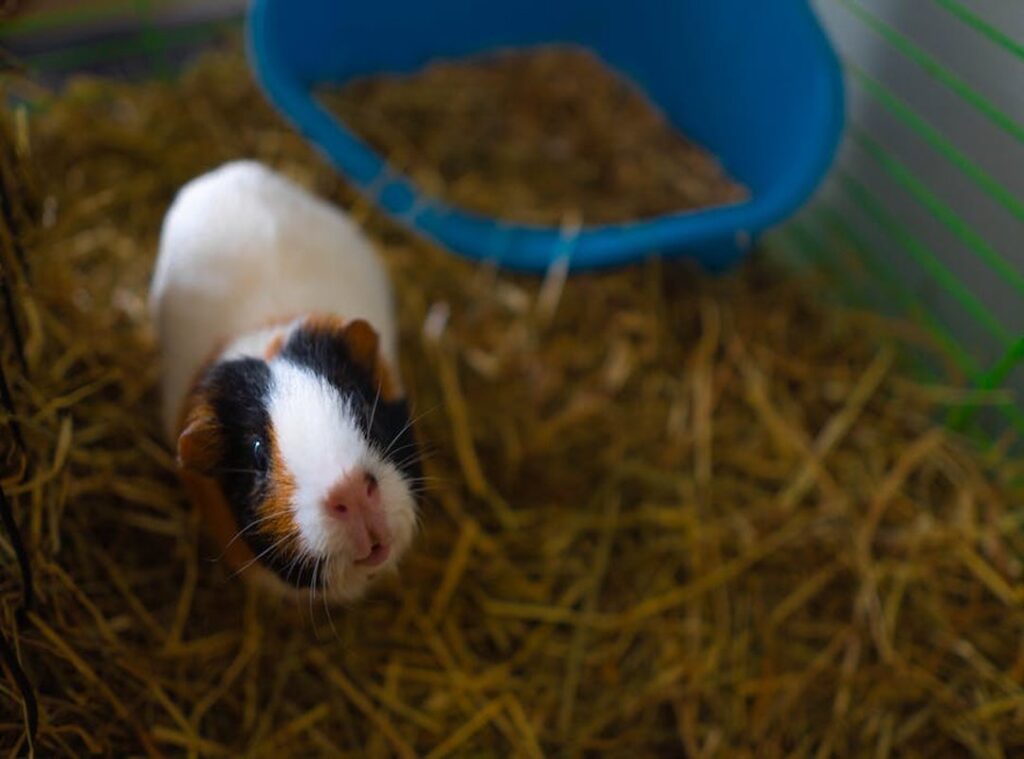
You just brought home a hamster.
Your hands are full of plastic tunnels, colored bedding, and a wheel that squeaks like a dying bird.
And you’re already second-guessing every single thing.
Does that chew toy actually work. Or is it just pretty? Is that bedding safe or just cheap?
Why does every website say something different?
I’ve watched small animals for years. Not in labs. Not from books.
In real cages. Real homes. Real messes.
I’ve seen what they ignore. What they destroy. What they use to thrive.
This isn’t about cute decor or bulk discounts. It’s about Lwmfpets Indoor Pets (supplies) that match how these animals actually live, move, and think.
No outdoor hutches. No weatherproofing. No seasonal fluff.
Just indoor gear that works.
I’m not selling anything. I’m not guessing. I’m telling you what holds up after six months of gnawing, digging, and nesting.
You’ll get a short list. No filler. No trends.
Just what matters.
What keeps them safe. What keeps them busy. What keeps them alive (not) just alive, but active, curious, and unstressed.
This guide cuts through the noise.
It tells you what to buy. And what to walk past.
Ready?
Cage Rules: What Your Pet Actually Needs
I’ve watched too many pets pace in cages that are half the size they need. It’s not cute. It’s stressful.
Dwarf hamsters need at least 360 square inches (2,323 cm²). That’s 24” x 15”. Not 12” x 12”.
RSPCA says less is unacceptable (and) I agree.
Guinea pigs? Minimum 7.5 sq ft (697 cm²). That’s 30” x 36”.
Anything smaller gives them no room to run. They need to sprint.
Gerbils want 450+ sq in (2,903 cm²). Rabbits? 12 sq ft minimum (and) yes, AWA agrees. That’s 36” x 48”.
You’re probably thinking: “My pet seems fine.” But pacing, bar-chewing, lethargy (they’re) not fine. They’re coping.
Three safety rules: bar spacing under ½ inch for dwarfs and gerbils. Latches that won’t pop open if a curious kid bumps it. And zero lead or zinc coatings (those) poison them slowly.
Avoid painted wire cages with flaking finishes. Skip plastic-bottom cages with sharp wire edges. And never use cedar shavings.
Even if the cage looks clean.
Wire cages breathe best. But only if the floor is solid or covered. Plastic ones trap ammonia.
All-plastic? Poor ventilation. Your pet’s lungs matter more than your Instagram aesthetic.
Lwmfpets has real-world cage specs. Not marketing fluff.
Ventilation wins over “cuteness” every time.
Foot health isn’t optional. Wire floors wreck tiny feet.
Cleanability matters. You’ll scrub it. Often.
So pick function first. Always.
Bedding Isn’t Just Fluff (It’s) Air, Health, and Lifespan
I’ve watched too many small pets cough their way into vet visits over bad bedding.
I use it for my dwarf hamsters. And they breathe easier.
Paper-based bedding? Safe. It’s low-dust, absorbs ammonia well, and doesn’t off-gas.
Aspen shavings? Also safe. No phenols.
Low dust. Holds moisture without rotting fast. (Unlike pine, which we’ll get to.)
Carefresh and kiln-dried pine are vet-approved (but) only if labeled kiln-dried. Untreated pine releases phenols. That’s not natural (it’s) toxic.
Cedar? Straight-up dangerous. Phenols shred liver tissue and irritate nasal passages.
Don’t buy it just because it smells “woodsy.”
Pine shavings. Unless kiln-dried. Are the same problem.
Same liver stress. Same respiratory hit.
Clay cat litter? Nope. Dust clogs lungs.
Clumping agents swell in guts. It’s not for rodents or reptiles.
“Natural” doesn’t mean safe. Kiln-dried pine is processed. Untreated pine is not.
Big difference.
Here’s your 3-step checklist:
- Is it low-dust? 2. Is it unscented and additive-free? 3.
Does the bag say exactly which species it’s for?
Skip the guesswork. Your pet’s lungs don’t negotiate.
This matters more than most people think. Especially for Lwmfpets Indoor Pets.
Enrichment That Actually Works: Toys, Tunnels, and Mental
I stopped buying cute pet toys years ago. Most are just decoration. Or worse, danger.
Chewing isn’t optional for rodents. It’s how they keep their teeth from growing into their skulls. So I only use solid wood chews.
No paint, no varnish, no glue. If it smells like a hardware store, skip it.
Burrowing? That’s not play. It’s instinct.
Gerbils need at least six inches of deep, diggable substrate. Not toys. Substrate. They’ll ignore a $20 tunnel if you skimp on the bedding.
Guinea pigs need hay (inside) their cage (24/7.) Not in a rack. Not on the floor outside. Inside. Their digestive systems shut down without constant access.
Hiding spots must be fleece-lined. Cold plastic or rough fabric stresses them out. PVC pipe tunnels work fine.
As long as they’re wide enough and smooth inside. No sharp edges.
Cardboard tubes? Yes. But check for glue residue.
That sticky stuff can gum up their mouths.
Foraging mats beat food bowls every time. They eat slower. They think harder.
They’re less bored.
Dangling strings? Small plastic parts? Mirrors?
All bad. Mirrors confuse solitary species. They see another animal and panic.
You’re not decorating a terrarium. You’re supporting biology.
If you want real guidance on setup, check out the Indoor pets lwmfpets page. It’s got species-specific depth most sites skip.
Lwmfpets Indoor Pets is where I go when I’m double-checking substrate depth or chew safety.
Bowls, Bottles, and Boredom: Rodent Feeding Done Right
Ceramic bowls beat plastic every time. They don’t scratch, don’t leach chemicals, and won’t get chewed into shrapnel.
I’ve seen bowls labeled “for pets” that tested positive for lead. Don’t guess.
But not all ceramic is safe. Look for lead-free, food-grade certification. Not just “dishwasher safe” stickers.
Water bottles need attention too. Angle the sipper tube down at 45 degrees. Too steep?
Dripping. Too flat? Your rodent drinks air.
Clean the bottle every three days. Not once a week. Not “when it looks dirty.” Every three days.
Use vinegar and a pipe cleaner. Not bleach. Bleach residue kills gut flora.
Test flow rate by tipping the bottle gently. One drop per second is ideal. More than that?
Clog or misalignment.
Scatter feeding isn’t fancy (it’s) basic enrichment. Dump half the daily pellets across clean bedding. Hide some under paper towel rolls.
Let them dig. It cuts boredom and slows eating.
Hay needs its own spot. A mounted hay rack keeps fiber clean and available 24/7. Floor hay gets peed on fast.
You know it does.
This is how you feed like someone who actually watches their animals (not) just fills bowls.
Lwmfpets Indoor Pets owners get this right more often than most.
Cleaning Supplies That Actually Protect Health
I don’t care how shiny your cage looks. If the air smells like ammonia, your pet is breathing poison.
Daily tools: scoop, brush, handheld vacuum. That’s it. No fluff.
You use these every single day (no) exceptions.
Weekly deep-clean supplies are non-negotiable. Enzyme cleaner. Stainless steel scrubber.
Microfiber cloths. Not cotton rags. Not paper towels.
Two enzyme cleaners I trust: Nature’s Miracle Advanced and Rocco & Roxie Stain & Odor Eliminator. They break down urine proteins. Vinegar?
It only masks ammonia. It does nothing to stop the buildup. (Yes, I tested this.
Twice.)
Bleach is dangerous if you get it wrong. Dilute 1 part bleach to 32 parts water. Let it sit 10 minutes.
Then rinse (thoroughly.) Skip rinsing and you’ll give your pet respiratory trouble.
Pro tip: Keep a labeled ‘cleaning caddy’ next to the habitat. Everything in one place. No excuses.
Consistency beats intensity every time.
If you’re juggling indoor and outdoor setups, check out Outdoor Pets for cross-environment tips.
Lwmfpets Indoor Pets means never choosing between clean and safe.
One Change Changes Everything
I’ve seen too many well-meaning people stress over every detail (then) miss the one thing that actually shifts the needle.
Confusion isn’t harmless. It leads to bad bedding. Wrong cage sizes.
Chew toys that don’t wear down teeth.
So pick one. Swap cedar for paper-based. Upgrade that cage now.
Not next month. Not after research. Today.
Every choice you make supports either less stress, better teeth, or real behavior (not) just looking cute in a photo.
You don’t need ten changes. You need one done right.
Go to the Lwmfpets Indoor Pets section on cage sizing (or) bedding safety (and) compare your setup. Replace or add one item before Friday.
Your small friend doesn’t need perfection. They need consistency, safety, and care you can feel good about.
 Donaldonic Ridge played a key role in shaping Pet Hub Loop, contributing his expertise and dedication to building a reliable platform for pet owners. His efforts in research and content development helped ensure the site delivers accurate, engaging, and useful information for the community.