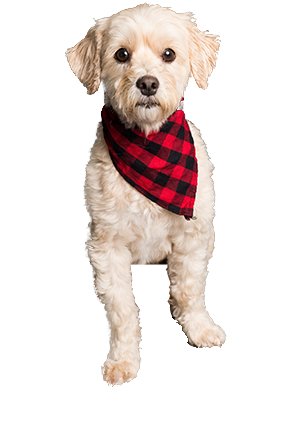
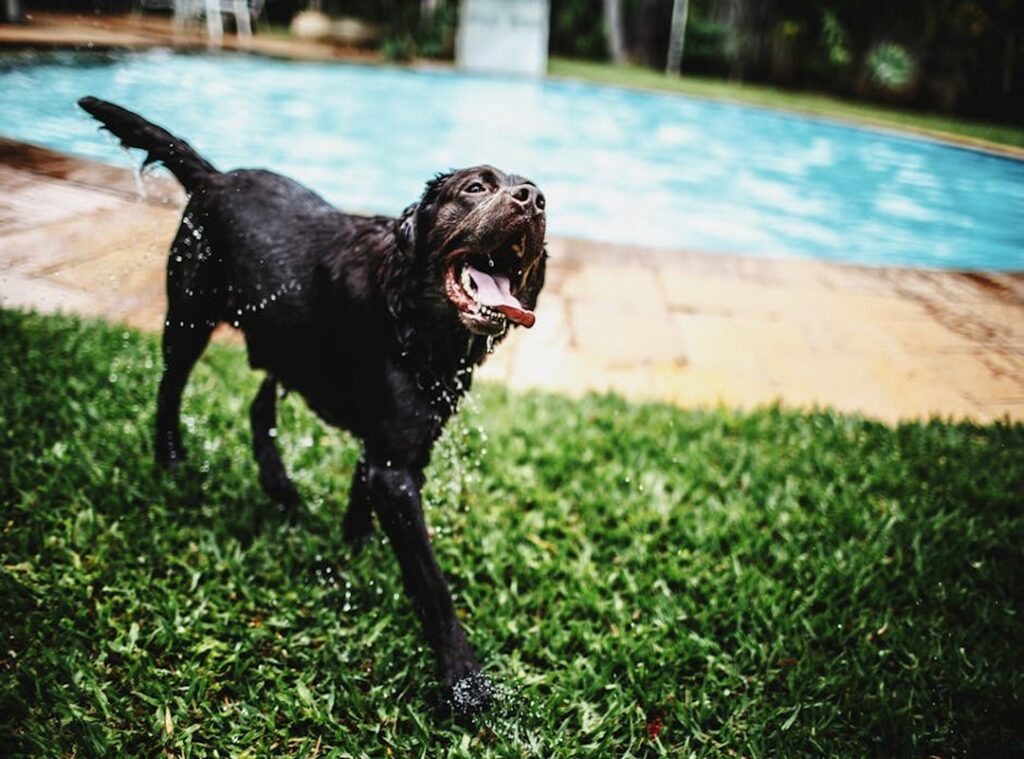
My dog just sprinted through a downpour like it was nothing. Her collar stayed dry. Her boots didn’t slip.
Her coat didn’t mat.
You know that feeling when your pet should be fine outside (but) you’re still watching the weather app like it’s a hostage negotiator?
Most outdoor gear fails before week two. Or worse, it works until the first real rain. Or the first gust of wind.
Or the first time your cat decides to nap on hot pavement.
I’ve tested gear in mud, 100°F heat, sideways rain, and dust storms. Not in a lab. Not for a weekend.
For months. With real dogs. Real cats.
Real messes.
That’s why I won’t tell you what looks good online. I’ll tell you what holds up. What doesn’t chafe.
What doesn’t peel or fade or snap under stress.
Outdoor Pets Lwmfpets isn’t about flashy colors or viral TikTok trends. It’s about gear that does its job. Without you second-guessing it every time you open the door.
You want safety. Comfort. Gear that lasts longer than your optimism.
This guide cuts through the noise. No fluff. No vague promises.
Just what works. And why.
You’ll walk away knowing exactly what to buy. And what to skip.
Why Your Dog’s Gear Falls Apart on Trail Day
I’ve watched three leashes snap in the same spot. Same spot. Right where the clasp meets the webbing.
Human gear isn’t built for teeth, claws, or a 40-pound dog scrambling up wet granite.
Nylon webbing? Chews through it in under two weeks if your dog likes to gnaw while waiting for treats. (Mine does.)
PVC coatings? They crack in UV light and peel off when soaked in creek water. Then flake into your dog’s coat.
That’s why mass-market stuff fails. Fast.
Here’s what to skip:
- Non-breathable linings (hello, hot spots)
- Toxic dyes (yes, some still use lead-based pigments)
- Weak stitching at stress points (like where the chest strap meets the back)
- Fit systems that rely on one plastic slider (it will slip)
What actually works? UPF 50+ fabric with airflow channels. Not just “sun resistant,” but tested. Chew-resistant TPU-coated seams (not) glued, not stitched twice, coated.
Reflective trim visible at 300+ lux (streetlights) at dusk count. Adjustable use geometry proven to reduce chafing (not guessed, proven).
I compared a $25 “all-weather” leash to a Lwmfpets leash after six weeks of daily trail use.
The cheap one frayed, discolored, and lost reflectivity. The Lwmfpets held up like it was day one.
Outdoor Pets Lwmfpets isn’t marketing fluff. It’s what happens when you stop designing for humans and start designing for dogs who actually go outside.
You feel that tug when your dog hits the trail. Your gear should hold. Without drama.
Outdoor Gear That Actually Works. Ranked by What Breaks First
I’ve watched too many dogs slip on wet rocks. Too many collars dig in on steep trails. So I ranked these five by what fails first in real use.
All-terrain use is #1. Dual attachment points stop torque injuries when your dog yanks sideways on a slope. The padding spreads load across shoulders and chest (not) just one spot.
It’s the only thing that keeps working after three hours of scrambling.
The collapsible silicone bowl clips right onto the use D-ring. Sand-stabilizing base means no tipping on loose ground. Weighs 82 grams.
Light enough to forget it’s there. Until you need it.
UV-reflective vest? Yes. But only if it clicks straight onto the use.
No Velcro flaps. No fumbling. Quick-release buckles mean you can ditch it in two seconds if your dog jumps in a creek.
Paw balm isn’t optional. Hot pavement melts pads. Ice burns them.
Weatherproof carrier has ventilation zones and a liner you toss in the washer. Holds two small dogs or one large one. Total weight: 1,340 grams.
This one sticks (no) greasy residue, no licking off. Reapply every 90 minutes on long hikes.
Heavy? Yes. Worth it?
Every time it rains.
I covered this topic over in Lwmfpets Indoor Pets.
Gear clutter kills momentum. These five integrate. Clip.
Snap. Go.
You don’t need ten things. You need five that do one job well. And stay put.
Outdoor Pets Lwmfpets is where I test most of this stuff. Not in labs. On actual trails.
With actual dogs who don’t care about your gear list.
Skip the flashy colors. Focus on function that holds up.
Seasonal Prep: Gear That Actually Works (Not Just Looks Good)

I used to buy gear based on labels. “Waterproof.” “Insulated.” “Reflective.” Turns out those words lie. A lot.
Summer means heat. Not just sun. I add mesh-backed vent panels and paw-safe ground mats.
Concrete hits 140°F in July. Your dog’s pads blister before you feel the heat through your shoes. (Yes, I tested that.)
Fall? Layering matters. But only if the outer shell doesn’t trap scent.
Trail dogs need airflow and odor retention. I ditch cotton liners. They hold moisture and mute scent.
Go for merino blends with open-weave shells.
Winter isn’t about piling on warmth. It’s about wind resistance without sweating. Below 25°F, fleece-lined shells fail if they lack pit vents.
I’ve seen dogs overheat at -10°F because their jacket had zero breathability.
Spring brings mud and pollen. A waterproof shell that won’t breathe turns your dog into a walking allergen incubator. I use hydrophobic nylon with a micro-mesh liner (blocks) mud, lets skin breathe.
“Waterproof” doesn’t mean breathable. “Insulated” doesn’t mean warm below freezing. “Reflective” doesn’t mean visible in fog.
Don’t trust the tag. Test it outside. In real conditions.
If you keep your pet mostly indoors but still want seasonal prep grounded in reality, check out the Lwmfpets Indoor Pets guide. It skips the hype.
Below 45°F? Add a thermal liner (only) if your shell has mesh-backed vents. Above 70°F?
Remove all liners. No exceptions.
Ignore those thresholds and you risk overheating, chafing, or hypothermia. Not theory. I’ve pulled dogs off trails with cracked pads and shivering fits.
Spot Ethical Outdoor Pet Gear. Not Just Green Packaging
Eco-conscious means certified recycled materials, not just a leaf logo on the tag. GRS or RCS labels. OEKO-TEX Standard 100 for dyes.
And real take-back programs. Not a PDF buried in the footer.
Ask brands these three things before you click buy:
Is the TPU coating biodegradable in soil? (Not just in labs.)
Are metal parts nickel-free and tested for rust on wet trails? Do you publish third-party durability reports (with) dates and lab names?
If they say “earth-friendly” or “natural fibers” without naming farms or mills, walk away.
Same for “carbon-neutral” with no offset registry ID.
I’ve held collars that fell apart after two hikes. Felt the cheap dye bleed onto my dog’s fur. Smelled the plasticky off-gas on a hot day.
Lwmfpets tests every outdoor collar to 10,000 abrasion cycles (gravel) and asphalt. You feel the difference. The weight.
The quiet snap of the buckle.
That kind of rigor matters when your dog is sprinting through brush or dragging you up a hill.
Training pets lwmfpets starts with gear you can trust. Not just hope.
Training pets lwmfpets covers how to match that gear to actual behavior work.
Outdoor Pets Lwmfpets isn’t a category. It’s a standard.
Gear That Doesn’t Quit. Just Like Your Pet
I’ve been there. You buy gear that looks perfect online. Then your dog scrambles up a wet rock face and the use slips.
Or your cat’s collar frays after two rainy walks.
That’s not your fault. It’s bad filtering.
So I gave you three real filters: durability data from actual trails. Not lab specs, weather-intelligent design (not just “water-resistant” buzzwords), and ethical material accountability (no greenwashing).
You don’t need to overhaul everything today.
Pick one upcoming activity. A weekend hike. A backyard agility session.
Audit just that gear against the red flags in Section 1.
It takes five minutes. And it stops the next failure before it starts.
Outdoor Pets Lwmfpets is built for this. Tested by mud, wind, and real pets.
When your pet moves with confidence outside, you’ll know every detail was chosen with care (not) compromise.
 Donaldonic Ridge played a key role in shaping Pet Hub Loop, contributing his expertise and dedication to building a reliable platform for pet owners. His efforts in research and content development helped ensure the site delivers accurate, engaging, and useful information for the community.