
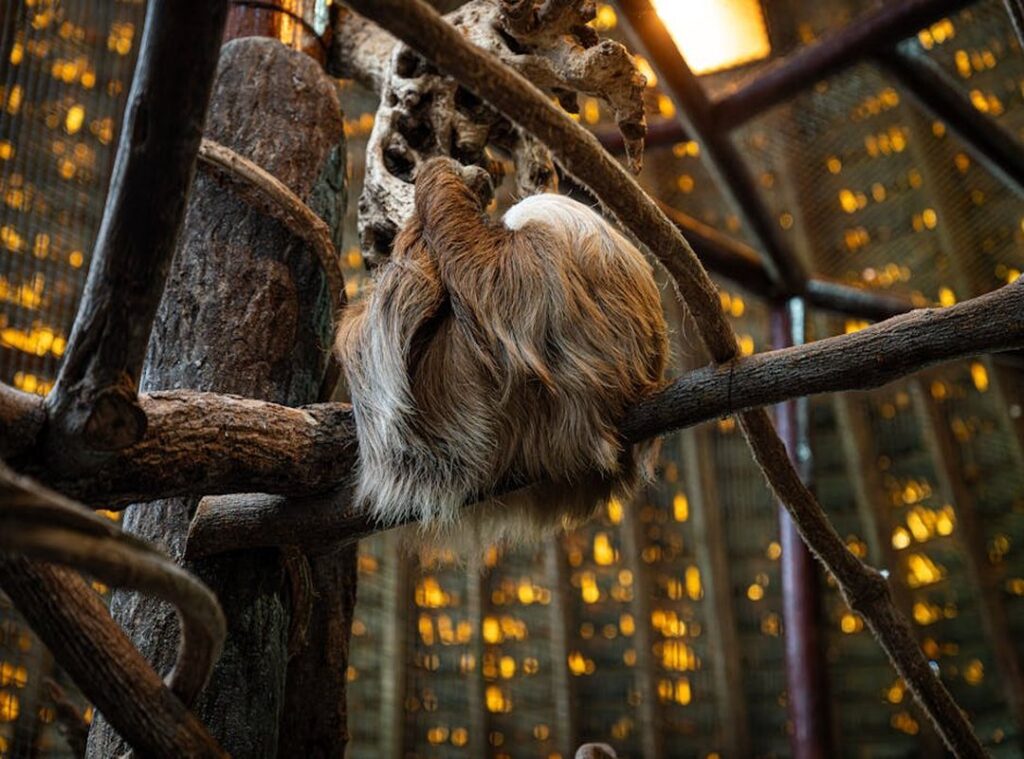
Adult bears, whether in the wild or in captivity, face a lot of health issues. These can really affect their quality of life and how long they live. It’s important to understand these osos maduros enfermedad.
This article gives you the essential info you need. You’ll find out about the common health conditions, their symptoms, and what causes them. We also cover how to manage these issues.
This isn’t just some random advice. It’s based on expert veterinary guidance and the latest research in bear health. If you’re involved in caring for or conserving adult bears, this is the kind of info you need.
Trust me, it makes a big difference.
Common Health Conditions in Adult Bears
Arthritis: Causes, Symptoms, and Treatment Options
Arthritis is a common issue in adult bears. It causes joint pain and inflammation, making it hard for them to move around. Symptoms include limping, stiffness, and reluctance to play or climb.
Treatments can range from anti-inflammatory medications to physical therapy.
Dental Issues: Prevention and Care
Dental problems like tooth decay and gum disease are also frequent. Poor dental hygiene can lead to serious health issues. Regular check-ups and cleanings are key.
Feeding a balanced diet helps too.
Obesity: Risks and Weight Management
Obesity is a growing concern. Overweight bears face higher risks of heart disease, diabetes, and other health issues. Managing their weight is crucial.
This means a balanced diet and regular exercise.
Osos maduros enfermedad can be a real challenge, but with the right care, many of these conditions can be managed. If you notice any of these symptoms, don’t hesitate to consult a vet. They can provide specific advice and treatment plans.
What’s next? Stay informed about your bear’s health. Regular vet visits and a proactive approach can make a big difference.
Nutritional Needs and Diet-Related Conditions
I remember when I first started taking care of bears. It was a steep learning curve, but one thing became clear: a balanced diet is key.
Bears need a mix of essential nutrients to stay healthy. Think proteins, fats, vitamins, and minerals. These are the building blocks that keep their bodies running smoothly.
Malnutrition can be a real issue. You might see symptoms like weight loss, lethargy, and even behavioral changes. Long-term, it can lead to serious health problems.
So, how do you ensure a balanced diet? Start by consulting with a vet or a wildlife nutritionist. They can give you a tailored plan based on the specific needs of your bear.
Food allergies and intolerances are more common than you might think. Some bears can’t handle certain foods, leading to digestive issues or skin problems.
Identifying these can be tricky. Keep an eye out for signs like excessive gas, diarrhea, or rashes. If you suspect something, try eliminating the suspected food and see if the symptoms improve.
Managing these conditions is all about being observant and proactive. Regular check-ups and a bit of trial and error can go a long way in keeping your bear healthy.
Oh, and don’t forget about osos maduros enfermedad. It’s a condition that can affect older bears, and proper nutrition is crucial in managing it.
Parasites and Infectious Diseases
Internal parasites can be a real headache. Roundworms, hookworms, and tapeworms are some of the common culprits. Symptoms vary but often include weight loss, diarrhea, and lethargy.
Effective treatments usually involve de-worming medications prescribed by a vet.
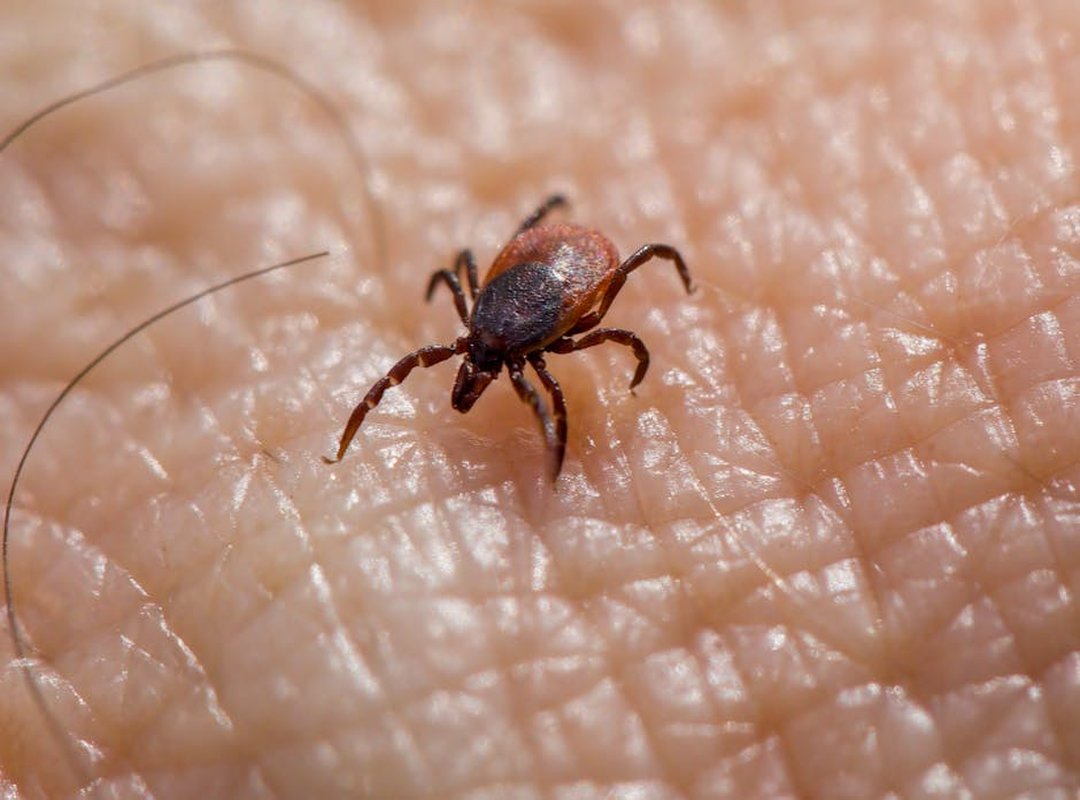
External parasites like ticks and mites are no picnic either. They can cause skin irritation, hair loss, and even transmit diseases. Regular use of preventive treatments and keeping your pet’s environment clean can help control these pests.
Infectious diseases are another big concern. Parvovirus, distemper, and rabies are just a few. These diseases can spread through direct contact or contaminated environments.
Vaccinations and good hygiene practices are key to prevention.
Osos maduros enfermedad is a term you might hear, especially in certain regions. It’s important to stay informed about local health issues and consult with a vet for the best advice.
Looking ahead, I predict we’ll see more advanced and targeted treatments for both internal and external parasites. As research progresses, we might also see new vaccines and preventive measures for infectious diseases. Stay tuned to Pethubloop for the latest updates and expert advice.
Behavioral and Mental Health Concerns
Stress and anxiety can really take a toll on adult bears.
Sometimes, it’s the little things that add up. Changes in their environment, new people, or even loud noises can trigger stress.
To create a stress-free environment, start by keeping their space consistent. (Bears, like us, love routine.) Make sure they have a quiet, comfortable area to retreat to when they feel overwhelmed.
Now, let’s talk about behavioral problems.
Common issues include aggression, excessive pacing, and destructive behavior.
These can be signs of osos maduros enfermedad or other underlying health issues.
Behavior modification and training are key.
Try positive reinforcement techniques. Reward good behavior with treats or praise.
Consistency is crucial. Stick to a regular schedule for feeding, exercise, and playtime.
If you’re struggling, don’t hesitate to consult a professional. A vet or a behaviorist can offer tailored advice and support.
Remember, a calm and happy bear is a healthy bear.
Preventive Care and Regular Check-Ups
Regular veterinary visits are a must. They help catch issues early, saving you and your bear a lot of trouble.
What to expect during a check-up? The vet will do a thorough physical exam, checking for any signs of osos maduros enfermedad or other health issues. They’ll also ask about your bear’s behavior and diet.
Vaccinations are crucial. They protect your bear from serious, sometimes fatal, diseases.
For adult bears, the recommended vaccinations include rabies, distemper, and parvovirus. Schedules can vary, so it’s best to consult with your vet.
Stay on top of these appointments. It’s the best way to keep your bear healthy and happy.
Ensuring the Longevity and Well-Being of Adult Bears
The article discusses several key health conditions affecting adult bears, including arthritis, dental issues, and obesity. Regular veterinary check-ups are crucial for early detection and management of these conditions. A balanced diet rich in natural foods is essential to maintain their health.
Creating a stress-free environment is also vital, as stress can exacerbate many health issues. osos maduros enfermedad often require specialized care and attention. Staying informed and seeking professional veterinary advice can significantly improve the quality of life for adult bears.
 Alina Mackchesty brought creativity and insight to Pet Hub Loop, supporting the project with her contributions to design and user experience. Her work helped make the platform both welcoming and practical, enhancing the way pet owners connect with the resources they need.