
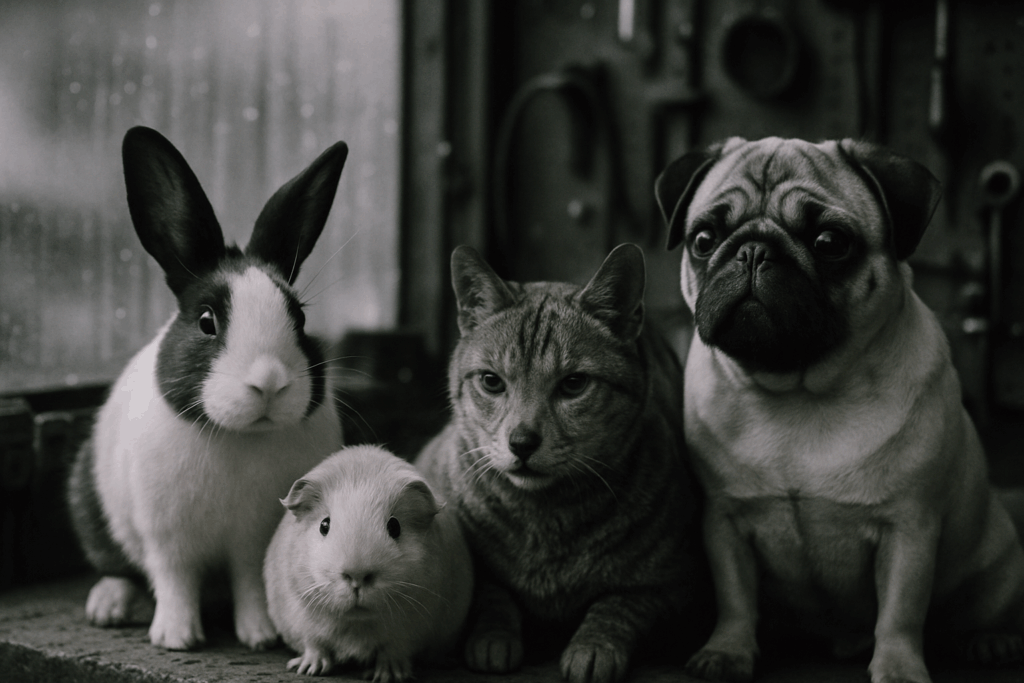
Small Pets That Fit Big Lifestyles
Living in an apartment doesn’t mean you have to forgo the joys of pet ownership. In fact, many small pets are perfectly suited to compact spaces, provided you choose wisely.
What Makes a Pet Apartment Friendly?
Not all pets thrive in small spaces. The most apartment compatible pets tend to have traits like:
Quiet nature: Minimal barking, chirping, or squeaking
Low space needs: Comfortable in confined living areas
Clean habits: Manageable grooming and odor control
When choosing a pet, it’s essential to look beyond cuteness and consider how well the animal’s personality matches apartment life.
Key Traits to Evaluate
Apartment dwellers should evaluate pets based on several important factors:
Energy Levels: High energy pets need more stimulation and space for zoomies, which may not be ideal for a studio or one bedroom unit.
Noise: Some breeds are more vocal than others. Look for quiet or soft spoken pets that won’t disturb neighbors.
Grooming Needs: Pets with high grooming or shedding requirements can create more upkeep in small spaces.
Rental Realities: What Every Renter Should Know
Before falling in love with a furry or feathered friend, take a moment to do your homework:
Check Lease Agreements: Many landlords restrict types and sizes of pets. Always read the fine print.
Consider Allergies: Shared walls mean shared air hypoallergenic options can benefit you and your neighbors.
Safety and Enrichment: Even in small spaces, pets need mental and physical stimulation. Think vertical climbing spaces, windows with views, and interactive toys.
A well assessed match leads to a happier pet, a happier home, and far fewer surprises after adoption.
Top Small Dog Breeds for Compact Spaces
Not all dogs are built for small space living, but these compact companions are made for it. If you’ve got minimal square footage but maximum love to give, here are three breeds that punch well above their weight in apartment compatibility.
French Bulldog Calm, quiet, and low drama. Frenchies don’t need long walks or big yards to be happy. They’re content with short play sessions and lots of lounging. Rarely bark, which is a blessing for thin walls. Also: excellent as heating pads that breathe.
Cavalier King Charles Spaniel Gentle and bonded, these small dogs are charmers who fit into most routines quickly. Light grooming needs thanks to a manageable coat, and their affectionate nature makes them clingy in the best way. Just don’t expect them to be alone for too long they live for human company.
Boston Terrier Smart, neat, and reliably adaptable. Doesn’t take long for a Boston to learn your schedule and stick to it. Their short coat means almost no grooming fuss, and they tend to be tidy indoors. A solid pick for first time owners who want a responsive, alert buddy without high energy spikes.
Ideal Cats for Apartment Quiet

When it comes to apartment living, cats check most of the boxes: quiet, independent, and compact. But not all breeds are created equal in tight quarters. Low shedding, mellow tempered cats tend to adapt best. Think breeds like the British Shorthair or Ragdoll chill personalities, minimal grooming, and happy to nap the day away on a sunny windowsill.
The sweet spot for indoor cats? Low maintenance, good alone time tolerance, and a calm energy that suits smaller spaces. You don’t need walks around the block just a few window views, some high perches, and a stash of toys to shake things up.
For a closer look at breeds that match apartment life and families too check out this guide to family friendly cat breeds.
Tiny Pets, Big Personality
You don’t need a dog or cat to enjoy the company of a great pet. Small animals can be just as engaging and often better suited for apartment living. Think minimal space, low noise, and lower impact upkeep.
Rabbits are smart, clean, and more personable than many people realize. A well socialized rabbit can learn tricks, use a litter box, and build a bond with you. They need time outside of their cage, but a rabbit proofed corner of your living room can work wonders.
Guinea Pigs bring cheerful energy in a small, fuzzy package. They’re vocal but in a charming, chirpy way and love a good hidey hole or cozy bed. Best with a buddy to keep them company, these little guys thrive on gentle attention and a consistent routine.
Parakeets keep things light without the chaos of larger birds. They’re relatively quiet, easy to care for, and enjoy just being near you. With a little training, they can even learn to mimic a few words or whistle a tune.
Betta Fish are a solid choice if you want a pet that stays in its lane literally. With brilliant color and low daily demands, a single betta in a well maintained tank brings calm energy to a room without requiring much attention beyond feeding and cleaning.
These pets may be small in size, but they punch above their weight in charm and apartment compatibility.
Keeping It Clean and Peaceful
Living in a small space with pets works best when maintenance becomes a habit, not a chore. Daily spot cleaning is non negotiable take five minutes to clear up fur, droppings, or shavings around cages or litter areas. A handheld vacuum and pet safe disinfectant wipes go a long way.
Odor control is equally critical. Clean litter boxes or bedding daily, not weekly. Use activated charcoal or baking soda in pet zones (just keep it out of reach) and air out your place regularly even five minutes of open windows helps. For litter and substrate, choose low dust, unscented options that trap smells without overwhelming sensitive animal noses.
Apartments amplify noise, especially with birds or chatty guinea pigs. Dampen sound with rugs and soft furnishings. If your pet gets particularly vocal when bored, that’s your cue to introduce new enrichment. Puzzle feeders, foraging boxes, treat balls even a new mirror or perch can help keep minds busy and voices quieter.
As for greenery, not all houseplants are friends to your furry or feathered roommates. Stick with pet safe options like spider plants, prayer plants, or parlor palms. Avoid pothos, lilies, and snake plants they can be toxic. Keep everything elevated or out of reach unless you’re sure.
Small living adjustments make a big difference. Stay consistent, stay observant, and your apartment stays fresh, peaceful, and pet approved.
Final Pick Tips Before You Commit
Choosing the right small pet comes down to one thing: fit. Not just the pet in your apartment, but in your routine. If you’re always on the move, a high maintenance animal might be more stress than joy. Look for temperaments that line up with your energy whether that’s a guppy that asks little, or a sociable rabbit that thrives on attention.
Before you get attached, loop in your landlord. Some buildings have hard lines on pet types or weight limits, and it’s easier to ask now than rehome later. Cats may fly under the radar, but birds, reptiles, or anything in a cage or tank may still need approval.
Even in small homes, stimulation shouldn’t be an afterthought. Cats benefit from shelves or window perches. Small dogs need rotation in toys and a clear walking schedule. Parakeets want interaction and sound. A bored apartment pet becomes a noisy or destructive one fast.
Looking into cats specifically? Don’t miss this in depth guide to family friendly cat breeds. You might find your perfect, whiskered roommate.
 Thadriel Tavendria, the founder of Pet Hub Loop, created the platform to help strengthen the bond between people and their pets. With a passion for animal welfare, he envisioned a trusted hub offering pet news, breed guides, product reviews, and training advice—making Pet Hub Loop a supportive resource for pet owners everywhere.