
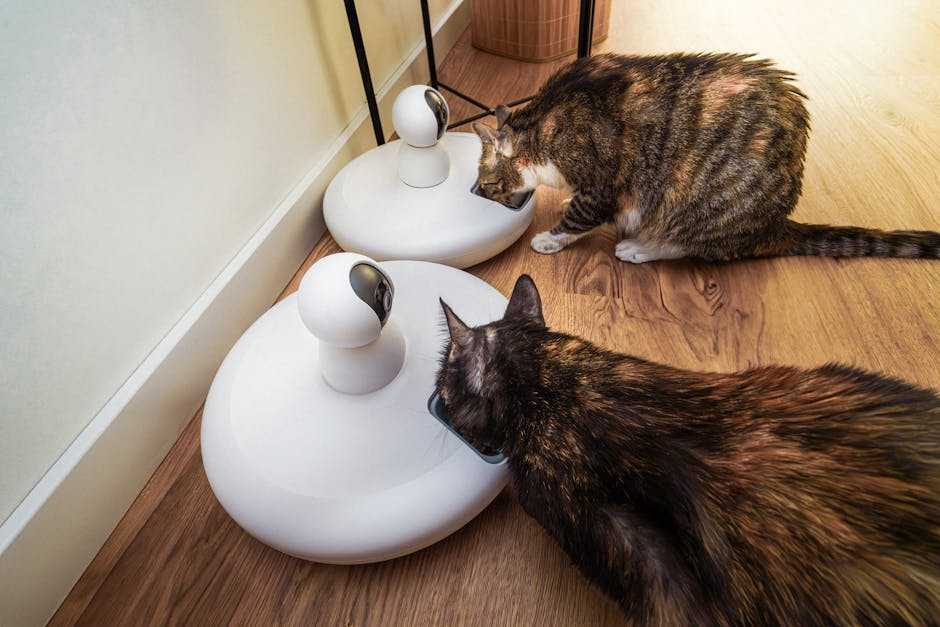
Why Smart Feeders Are Getting So Much Attention
Manual feeding routines used to mean early alarms, mental math on kibble portions, and rushing home to avoid a skipped meal. Not anymore. App controlled smart feeders are replacing the daily grind with tech that slots easily into pet owners’ already hectic lives. These systems aren’t just convenient they’re precise. Feeders can now portion meals to the gram, dish them out on a strict schedule, and even notify you if anything goes wrong.
For many pet owners, the decision isn’t about gadgets it’s about peace of mind. Whether you’re stuck in a meeting or away for the weekend, knowing your pet’s getting fed properly keeps stress low. The same tech also tackles common feeding issues like overfeeding, uneven meal timing, or pets begging for food at odd hours. You set the rules once, and the machine sticks to them.
Still, there’s a trade off. Some pet owners miss the hands on control and daily bonding that comes with traditional mealtimes. But for the growing crowd prioritizing consistency and time efficiency, smart feeders are becoming standard gear especially when your pet’s health, and your schedule, depend on it.
Key Features to Look For
When it comes to smart pet feeders, the small details matter more than the flash. The goal isn’t just automation it’s reliability, precision, and ease of use. Here’s what to keep an eye on:
Portion accuracy is non negotiable. Overfeeding leads to health problems. Underfeeding creates stress for you and your pet. The best feeders dispense food with near clinical precision and give you full control over quantity and frequency.
App connectivity and real time notifications are now standard, but not all apps are equal. You want seamless setup, alerts when food runs low, and real time feedback especially if plans change mid day. An intuitive app can make or break the experience.
Backup battery and offline functionality are must haves, not nice to haves. Power outages and patchy Wi Fi happen. A solid backup system ensures your pet doesn’t miss a meal even when the grid fails.
Multi pet support and personalized meal planning go beyond convenience they’re essential for households with different breed types, sizes, or dietary needs. The right feeder should let you assign specific portions and schedules per pet, no guessing needed.
Finally, don’t sleep on food storage capacity and cleaning design. Larger hoppers mean fewer refills. Dishwasher safe parts save time and are more hygienic long term. Look for feeders that are simple to clean but sturdy enough to handle daily use.
You want something that works without micromanagement. A tool that fits into your life not one you need to babysit.
PETLIBRO Automatic Feeder
PETLIBRO keeps it clean and simple. This feeder is built for pet owners who want core functionality without overpaying for bells and whistles. The design is sleek, space efficient, and fits into most kitchen or feeding areas without becoming an eyesore. Setup is straightforward, thanks to a user friendly programming panel. You can set meal times and quantities directly on the device no app needed.
One standout is the voice recording feature that lets you call your pet to eat. It’s a small touch, but for some critters, it’s the difference between ignoring the bowl and diving in. Battery backup is solid enough to keep things running during minor outages.
On the downside, there’s no app or remote feed control you’re not getting camera access or real time updates. But that’s part of what keeps the price down. For those who value reliability, ease of use, and a fair price point over gadget overload, PETLIBRO lands in the sweet spot.
Real World Considerations

Let’s start with the obvious concern: what if the Wi Fi goes out? Most smart feeders have fallback modes, like preloaded schedules and battery backups. That said, not all models handle outages smoothly some become dumb feeders until reconnection, dropping app functionality or missing real time updates. Always check for offline reliability before you buy.
As for your pet, yes, most adjust pretty well. Cats, in particular, often prefer the automatic consistency. Dogs can take a bit longer, especially if they’re used to human interaction at mealtime but most respond quickly once the routine locks in. If your pet’s a picky eater or easily spooked by electronics, give it a gradual introduction.
Cleaning and maintenance? That’s the daily grind most promos skip. Grainy kibble particles, greasy build up, food jams it all happens. Units with poor dispenser angles or narrow chutes are more prone to clogs. After six months, models like PETLIBRO and PetSafe hold up well with regular cleaning. WOPET’s camera and sensors add convenience but also mean more nooks to wipe down. Pro tip: dishwasher safe components are non negotiable if you’re short on time or patience.
The Verdict: Where to Put Your Money
Each of the feeders we’ve reviewed offers solid value but they serve different needs. If you’re a tech savvy pet owner who wants full control from your phone, the PetSafe Smart Feed delivers with precision scheduling and app connectivity. It’s best for someone who’s often away and needs a reliable, automated solution without babysitting the device.
For multi pet households or people who like to visually check in, the WOPET Smart Feeder shines. The built in camera lets you monitor meals in real time, and the sizeable food tank takes the stress out of bulk feeding. It’s noisy, but if you’re feeding multiple pets and don’t mind the sound, it’s worth the trade off.
Budget conscious buyers will likely appreciate PETLIBRO. It skips high end features, but it still gets the basics right solid portion control, decent backup battery, and dependable hardware. Great for single pet setups where affordability matters more than extras.
When it comes to features that deserve your cash, prioritize stable connectivity, backup power, and meal portion accuracy. Those are non negotiables. Nice extras like live cameras, voice calls, or high capacity bins add flair, but don’t carry the same weight in day to day performance.
Still on the fence? Get more real world feedback and deeper comparisons in our full pet tech reviews.
Bottom Line
A smart pet feeder isn’t a universal fix it’s a tool. One that works best when it actually complements your daily routine and your pet’s natural habits. If you’re gone all day and your cat is a grazer, smart timing and portioning can bring peace of mind. But if you’re already home at mealtimes and your pet is finicky about new tech, that same device might cause more hassle than help.
When choosing a model, put reliability at the top of your checklist. Feeding errors and app crashes aren’t just annoying they can hurt your pet’s health. Look for clean build quality, solid customer support, and clear functionality. Features like voice call recordings, cameras, or slick interfaces are nice but they only matter if the basics perform under pressure.
One last thing: don’t just rely on marketing blurbs. Read the user reviews. Look at long term feedback from fellow pet owners. Pair that with our expert insights to make a call that’s right for your home. Explore the latest models and detailed breakdowns in our pet tech reviews.
 Thadriel Tavendria, the founder of Pet Hub Loop, created the platform to help strengthen the bond between people and their pets. With a passion for animal welfare, he envisioned a trusted hub offering pet news, breed guides, product reviews, and training advice—making Pet Hub Loop a supportive resource for pet owners everywhere.