
Why Crate Training Works
Done right, crate training isn’t a cage it’s a comfort zone. Dogs are natural den animals. A crate gives them a space that’s just theirs: quiet, secure, and predictable. Especially in a busy household, having that designated spot helps ease overstimulation and gives your dog somewhere to retreat.
It also builds structure. Puppies, in particular, thrive on routine. A crate supports house training by teaching bladder control and helping them learn when it’s time to rest vs. play. The crate makes patterns clear. Eat, potty, rest. Repeat.
When introduced with care never rushed or forced the crate becomes a tool for reducing anxiety. It should never feel like punishment. Instead, it’s a positive space, reinforced with treats, gentle words, and consistency.
Beyond training, crates become essential during unpredictable events. Whether it’s a vet visit, travel, or an emergency evacuation, a dog that sees their crate as a safe haven will move easier through stress. The right start turns a simple crate into one of your most valuable tools as a dog owner.
Choosing the Right Crate
Start with size. A crate that’s too small is uncomfortable. One that’s too big can make training harder. Your dog should be able to stand up, turn around, and lie down comfortably nothing more, nothing less. For puppies, consider using dividers that grow with them.
Now, crate type. Wire crates allow airflow and visibility, which helps some dogs feel less confined. They’re also collapsible, which is handy if you travel or rotate crate locations. Plastic crates are cozier and feel den like better for anxious dogs or air travel. Soft sided crates are lightweight, good for calm dogs and short trips, but they’re easy to chew or escape from.
Finally, pick its spot carefully. Put the crate somewhere quiet but not isolated a tucked corner of the living room works better than the garage. Dogs like to feel part of what’s going on. Too much noise stresses them out; too much silence makes them feel forgotten. Think of the crate as a retreat, not exile.
Step by Step Crate Training Process
Start slow. Don’t shove your dog into a crate and expect all to go well. Instead, place the crate in a low traffic area of your home and leave the door open. Let them sniff it out on their terms. Toss a toy or treat inside. Let curiosity do the work.
Once your dog begins to enter the crate comfortably, use treats and verbal praise to build positive associations. Keep your tone relaxed; the goal is to make the crate feel like a safe zone, not a cage. Feed meals near or inside the crate if needed food is a powerful motivator.
With time, let your dog spend short periods inside with the door closed. Start with a few minutes while you’re nearby. Gradually stretch the time. Stay calm when opening the door no dramatic goodbyes, no over the top greetings. Normal is what you want it to feel like.
And here’s the golden rule: never use the crate as punishment. If your dog misbehaves, don’t march them inside out of frustration. Doing so turns the crate into a place of fear, undoing all the work you’ve put in. This is about trust, not control.
Differences Between Puppies and Rescue Dogs
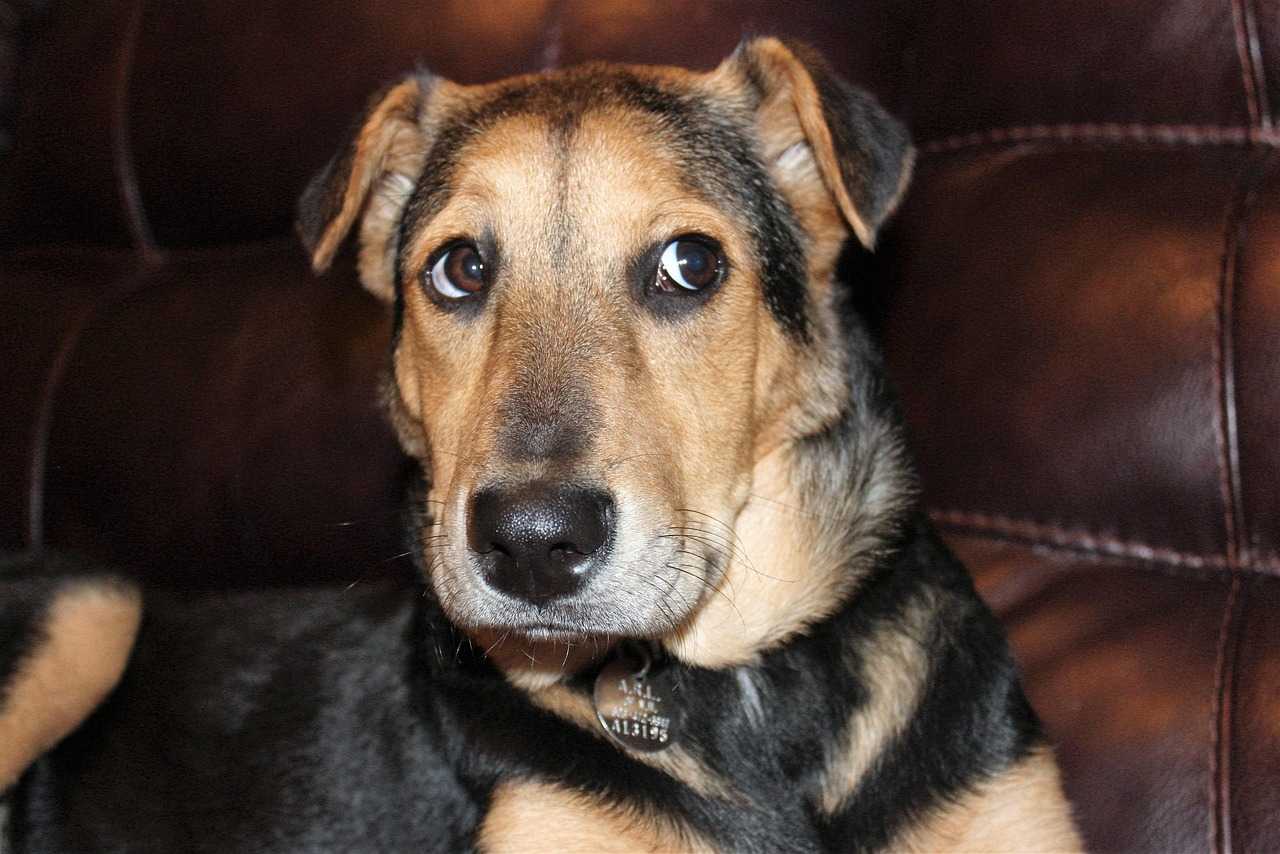
Not all dogs enter crate training at the same starting line. Puppies are usually easier to mold they thrive on routine, and the crate becomes their home base, a den they grow to trust. Build the schedule around feeding, play, potty, and naps. They’ll latch onto predictable patterns fast.
Rescue dogs, on the other hand, may bring baggage. Some have crate trauma from past experiences neglect, abandonment, or over crating. For these dogs, trust builds slower. Step one is observation. Watch their body language, test the waters gently. Never rush them inside or close the crate too soon.
Tailor your approach. Ease them in, use treats and an open door. Let the dog set the pace. You’re trying to replace fear with familiarity. Especially for adults or dogs with a rough backstory, patience is the whole game. Progress might come in small wins sniffing the crate, stepping in for a moment, laying down for a minute. That’s where training lives: in the tiny, consistent efforts that show you’re not going to force them.
Crate training isn’t about control. It’s about showing your dog the crate is safe, predictable, and theirs.
Handling Common Crate Training Challenges
Crate training isn’t always smooth sailing many dogs experience bumps along the way. Whether it’s whining at night or accidents during the day, knowing how to handle these issues can make a big difference.
Whining: Know When to Wait, When to Act
Whining is one of the most common hurdles in crate training. It’s important to determine the reason behind the behavior:
If your dog just entered the crate and is whining, it may be protest or fear. Wait a few minutes before responding to avoid reinforcing the noise.
If whining happens after some time, consider whether your dog needs a potty break or is experiencing discomfort.
Never scold for whining. Instead, reward quiet, calm behavior so they learn it gets your attention.
Tip: Establish a short pre crate routine to help reduce anxiety, like a quick walk or bathroom trip.
Separation Anxiety: Baby Steps, Big Results
Some dogs panic when left alone, even inside a crate. To make crate time easier:
Start with short absences even just leaving the room for a minute or two.
Use calm entrances and exits so your dog doesn’t associate leaving with big emotional reactions.
Leave a safe chew toy or comfort item inside to provide a positive distraction.
Accidents: Clean Up, Move On
Even with the best training, accidents can happen inside the crate, especially in young puppies or dogs adjusting to a new routine.
Clean messes thoroughly using pet safe enzymatic cleaners to remove lingering smells.
Never punish accidents, which can increase fear or anxiety around the crate.
Evaluate your schedule, and adjust potty breaks or feeding times if accidents persist.
Over Crating: It’s Not a Full Time Solution
The crate is a helpful training tool but it’s not a place for your dog to spend entire days.
Ensure your dog gets plenty of playtime, exercise, and bonding time outside the crate.
For most dogs, crate time shouldn’t exceed a few hours at a time (except overnight sleep).
If you’re away often, consider doggy daycare or a pet sitter to avoid isolation.
Crates work best when they’re part of a balanced routine, not a stand in for attention and care.
Consistency Is Everything
Dogs thrive on patterns. If you want crate training to stick, your daily routine needs to be solid. Feed at the same times. Set regular potty breaks. Build in clear blocks for play and naps. All of this gives your dog a stable rhythm, and a stable rhythm breeds calm.
Use consistent command words, and don’t switch up your tone or rules. If “crate time” means something different every day, you’ll confuse the dog and slow progress. Keep your approach steady even when results feel slow.
And yes, this takes patience. Some dogs click in a few days. Others take weeks. Don’t rush it. The point isn’t speed it’s trust, comfort, and repeatable calm. Stay the course.
Take It to the Next Level
Once your dog is comfortable spending short periods in the crate, it’s time to reinforce their confidence and integrate the crate into everyday life. This stage is about making the crate a normal, even enjoyable, part of your dog’s routine.
Make Mealtime a Crate Affair
Feeding your dog in the crate builds positive associations and reinforces the idea that it’s a safe, reward filled environment.
Place your dog’s food bowl just inside the crate to start
Gradually move the bowl further inside over a few meals
Eventually, your dog will associate the crate with nourishment and comfort
Keep the Door Open During Free Time
An open crate door encourages voluntary use and helps the crate become part of the home, not a place of confinement.
Leave the door open while your dog is playing or relaxing nearby
Place toys or a soft blanket inside to make it appealing
Let your dog choose to enter and exit freely during downtime
Build on Basic Training
Crate training works best when paired with fundamental obedience and behavior training. Together, they create a more well rounded and confident dog.
Use routine training sessions to instill calm behavior
Reinforce commands like “crate,” “stay,” and “settle”
Combine with additional training basics to support long term development
By taking these next steps, you’re helping your dog view the crate not just as a tool, but as a trusted part of their world.
Keep Your Dog’s Wellbeing First
Crate training isn’t about control it’s about support. The crate should feel like a retreat, not a punishment. If your dog seems panicked, avoids the crate, or vocalizes non stop, that’s a signal something’s off. Pushing through that resistance won’t build the bond you’re after.
Instead, reward calm, voluntary steps: walking into the crate on their own, lying down quietly, staying relaxed with the door closed. Keep things low key and simple. No shoving, no forcing. If your dog feels safe, they’ll come around. Crate training done right builds trust and trust lasts a lifetime.
 Donaldonic Ridge played a key role in shaping Pet Hub Loop, contributing his expertise and dedication to building a reliable platform for pet owners. His efforts in research and content development helped ensure the site delivers accurate, engaging, and useful information for the community.