Shifting Seasons and Animal Wellness
Climate patterns are swinging wider and harder, and pets are taking the hit right alongside us. One of the first signs? Allergy seasons that refuse to quit. With warmer temps stretching pollen cycles, pets especially dogs and cats are sneezing, wheezing, and itching more than ever. Respiratory flare ups are lasting longer and hitting harder, even in breeds that aren’t usually sensitive.
Then there are the heatwaves. They’re no longer rare spells they’re part of the summer routine now. That spells danger for animals stuck indoors without proper cooling or for dogs taken on walks during midday scorchers. Dehydration, heatstroke, burned paws it’s all up.
And just when you think things might even out, winter throws a curveball. Cold snaps are moving into regions that used to be mild. Tropical reptiles kept as pets? Way out of their comfort zone. Smaller mammals and birds? Also at risk, especially when unexpected freezes knock out heating systems.
In short, our pets are living through climate change too and they’re not built to adapt as fast as the weather’s changing.
New Threats from Parasites and Disease
Expanding Parasite Populations
Climate change is shifting the boundaries of where disease carrying parasites can thrive. As temperatures rise and seasons become less predictable, ticks and mosquitoes are expanding their range bringing dangerous conditions directly to pets’ backyards.
Ticks are now seen in areas and at times of year previously considered low risk.
Mosquito populations are growing, increasing the spread of heartworm in dogs and cats.
Longer warm seasons allow these parasites to remain active nearly year round in some regions.
Evolving Disease Risks
With new territory comes new exposure. Pets that never faced these threats before may now encounter diseases like:
Lyme disease, transmitted by black legged ticks (also known as deer ticks)
Heartworm, a parasite transmitted by mosquitoes that can cause severe heart and lung damage
More regions across North America are seeing these diseases become regular veterinary concerns, not just seasonal or regional outliers.
What Pet Owners Should Know
Pet guardians play a crucial role in identifying and managing parasite related risks as environmental conditions evolve. Being proactive can help prevent illness and even save lives.
Key steps to protect your pets:
Schedule routine vet check ups with parasite screening
Use vet approved flea, tick, and heartworm preventives year round when recommended
Keep grass trimmed and remove standing water to reduce breeding grounds for mosquitoes
Check pets’ fur and skin after time outdoors, especially after hikes or walks in wooded areas
The Bigger Picture
Warmer climates now give parasites more time and space to establish. That means formerly safe regions may no longer be low risk and prevention is more important than ever. Staying informed and staying prepared are essential strategies for protecting our pets’ health in a rapidly changing climate.
Lost Habitats, Fragmented Ecosystems

As forests thin and wetlands vanish, wild animals aren’t retreating they’re drifting into backyards, city parks, and suburban cul de sacs. Coyotes edge closer to school zones. Raccoons and foxes raid trash bins like it’s routine. Birds nest in satellite dishes. It’s not just inconvenient it’s the new normal.
Pets, meanwhile, are caught in the middle. Dogs off leash find themselves nose to nose with skunks or porcupines. Cats, especially outdoor ones, become both predator and prey. Conflicts rise not out of aggression, but out of proximity forced by vanishing ecosystems. A fox near a fence isn’t looking for a fight; it’s hunting on borrowed ground.
At the same time, stress signals are rising. Domestic animals are reacting to changes in their surroundings more noise, scents, intrusions. Wild species, pushed out of their native territories, show erratic behaviors from constant displacement.
What we’re seeing isn’t just ecological it’s behavioral. And it’s not slowing down. Reversing this fragmentation won’t happen overnight, so for now, adaptation is the survival strategy for pets, for wildlife, and for the people trying to keep both safe.
Air and Water Quality: What Pets Breathe and Drink
The air your pet breathes and the water they drink aren’t as safe as they used to be. As wildfire seasons grow longer and smoke spreads farther, our homes once a safe zone aren’t fully sealed off anymore. Dogs with short snouts and birds with sensitive respiratory systems are especially vulnerable. They breathe in particles that humans often don’t even notice, and that exposure adds up. Chronic coughing, fatigue, or difficulty breathing in pets could be the early signs of more serious, long tail damage.
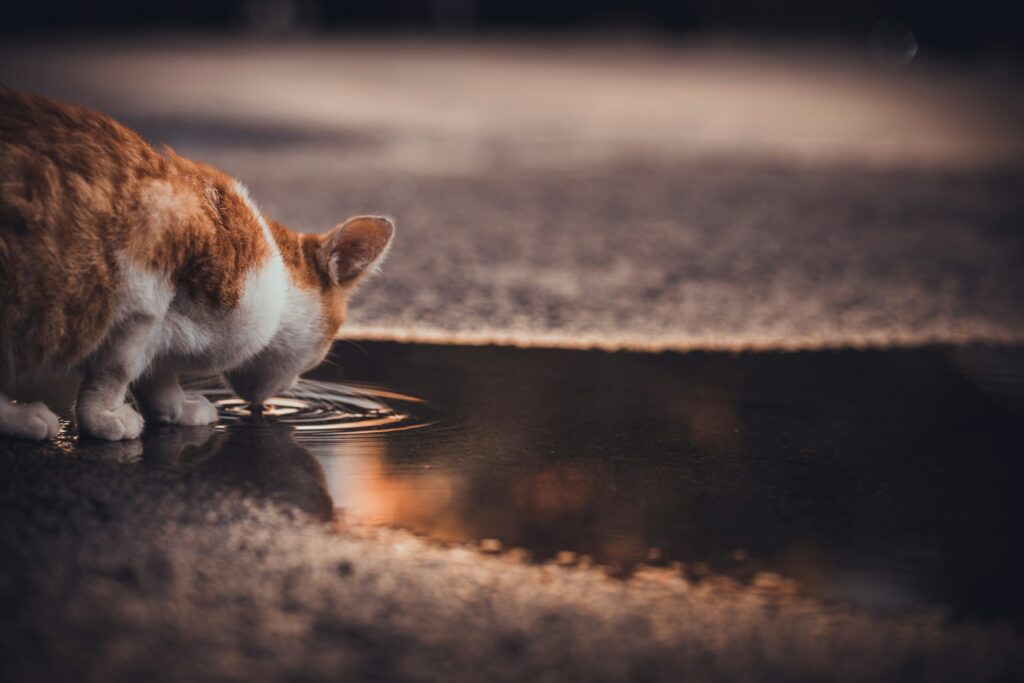
It’s not just the air. Contaminated runoff loaded with chemicals, ash, and waste seeps into shared water sources. Puddles in the yard, streams on walking trails, even outdoor pet bowls left uncovered after a rain can become risky. For animals that drink from or play in these water sources, infections and stomach issues are increasingly common. In more rural or suburban areas, that threat is compounded by aging infrastructure and a lack of real time water monitoring.
Local environmental changes don’t just mean short term irritation; they build into chronic problems. Allergy flare ups and recurring bronchitis in pets are no longer seasonal flukes they’re signals. And ignoring those signals leads to long term health issues that are harder to treat and more expensive to manage. It’s time we treat outdoor air and water quality like a part of basic pet health not an afterthought.
Preparing Pet Owners for a Changing Climate
As extreme weather events grow more frequent, pet owners need to treat preparation as a year round responsibility not a seasonal scramble.
Start with your home. During heatwaves, pets need cool, ventilated spaces and unlimited access to water. Avoid walking dogs during peak heat, and never leave animals in enclosed vehicles not even for a minute. For floods and storms, create an emergency pet kit: food, meds, extra leashes, ID tags, and a carrier or crate. Keep recent vet records in a waterproof bag and know your local shelter’s pet policies ahead of time.
Next, match your care routine to the seasons. In summer, check paws for burns from hot pavement and watch for signs of heatstroke heavy panting, drooling, or sudden lethargy. In winter, beware of antifreeze spills and salt irritation on pet paws. Fall and spring? Prime time for parasites, so stay up on preventatives and check coats after outdoor time.
Laws are evolving too. Cities and states are rewriting pet codes for disaster response, animal cruelty, and public health. Don’t risk fines or worse. Understand how new regulations affect tethering, breed restrictions, temperature limits in kennels, and even pet evacuation rights. Stay informed by checking updates from your local animal control office or read more in how recent legislation affects pet ownership.
Being pet ready in 2024 means blending care, prep, and legal awareness. Our animals count on us especially when the weather turns.
A Future for Both Pets and Wildlife
Climate change isn’t just a problem for polar bears and melting glaciers it’s playing out in backyards, vet clinics, and local parks. Community based conservation is stepping into the gap. These efforts think neighborhood wildlife corridors, pet safe green spaces, and local habitat restoration are proving effective at reducing collisions between the wild and the domestic. When ecosystems are intact, both pets and wildlife stay healthier and safer.
Veterinarians and animal shelters are also becoming key players in climate adaptation. Clinics are adapting protocols to account for climate driven diseases; shelters are updating emergency response plans for floods and heatwaves. These aren’t optional upgrades they’re becoming essential operations.
But action on the ground needs backup on the books. Forward thinking legislation is starting to reflect that. New laws are expanding protections for urban wildlife, regulating pet safety during climate events, and laying out clear responsibilities for owners around evacuations and natural disasters. To navigate this legal terrain, staying informed is non negotiable.
Reviewing evolving pet ownership laws is a smart place to start if you want to be ethically and legally ready for what’s next.
 Alina Mackchesty brought creativity and insight to Pet Hub Loop, supporting the project with her contributions to design and user experience. Her work helped make the platform both welcoming and practical, enhancing the way pet owners connect with the resources they need.