The Real Reason Commands Stick (or Don’t)
Pets aren’t guessing games. They’re pattern seekers. When your dog or cat learns a command, what they’re really doing is linking a specific cue to an outcome. The more consistent that pattern is, the faster they get it. Break the pattern even slightly and confusion creeps in fast.
Telling your dog to “sit” one day and “down” the next for the same action doesn’t make you flexible it makes you unclear. Mixed signals lead to hesitation, anxiety, or total shutdown. You’re not being unpredictable in a fun way. You’re making your pet second guess what you want every time.
And here’s the truth that too many people miss: reinforcement isn’t about showing who’s boss. It’s about showing your pet they can rely on you. When commands are paired with predictable rewards, trust builds. That trust makes them more engaged, more confident, and yes more obedient. It’s not control. It’s cooperation through clarity.
What Happens When You’re Inconsistent
Training a pet isn’t just about repeating a command it’s about timing, clarity, and consistency. When you give a cue one day and forget it the next, your pet struggles to connect the command to the action. The learning process stalls. They don’t know what you want, and if the pattern keeps changing, they stop trying to figure it out.
This lack of routine builds anxiety, especially in dogs. A confused animal doesn’t feel secure. You may notice more disobedience, not out of defiance but because they genuinely don’t know what’s expected. Behavior becomes erratic, not purposeful.
Inconsistent training doesn’t teach commands it teaches uncertainty. Say “sit” one day, change your tone the next, or delay the reward too long, and you’re not reinforcing obedience. You’re reinforcing unpredictability. What you get is a pet that listens when they feel like it or not at all.
Habits That Support Long Term Learning

Dog, cat, parrot doesn’t matter. If you’re not consistent, they’re not listening for long. Start with your words. Pick a command and stick with it. If you say “down” one day and “off” the next, your pet isn’t misbehaving they’re just confused. Keep the vocabulary short, clear, and always the same. Same goes for your tone. Calm and firm works. Shouting or sing song? Not so much.
Next, match your body to your message. Animals watch more than they listen. Saying “sit” while stepping backward or flapping your hands around sends mixed signals. Be still. Make your actions reinforce the word.
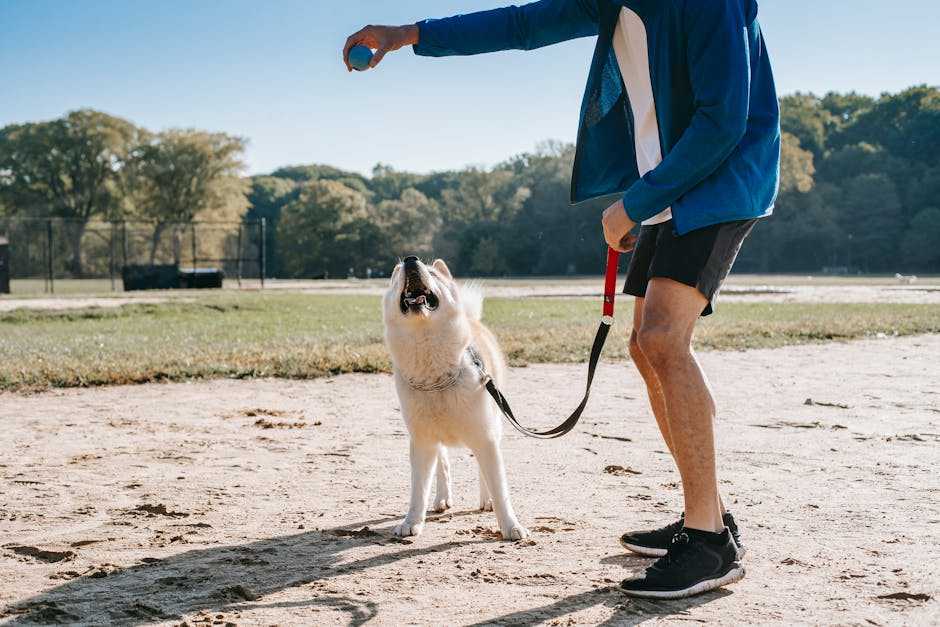
And finally timing. Immediate rewards are the only rewards that matter. Praise or treat within a second or two. Any later and your pet’s guessing what they did right. Consistency isn’t just a good idea here. It’s the whole system.
Making Consistency a Daily Habit
You don’t need hours a day or a boot camp routine to get your pet’s training locked in. Keep it simple. Ten to fifteen minutes a day, broken into shorter bursts, can do the trick. Set the same time each day say, after breakfast or during your lunch break so your pet starts anticipating the engagement. Routine equals retention.
Next, get everyone in the house on the same page. If you say “Off” and your partner says “Down,” your dog won’t know which to follow. Decide on core commands together, stick to them, and use the same tone and gestures. Confusion slows progress.
And here’s the quiet truth: you’re always training. Whether you’re putting on the leash, coming home from work, or refilling the food bowl, your pet is watching. Every moment sends a message. So be intentional. Reward calm behavior. Redirect the chaos. Reinforcement isn’t just about treats it’s about clarity, timing, and being present, moment by moment.
Tools That Help You Stay on Track
Training a pet doesn’t demand hours a day it demands consistency. Tools help. Start with a simple training journal or an app. Logging each session, even briefly, gives you a clear picture of what’s working and where your pet gets stuck. Over time, patterns emerge. That’s useful data, not guesswork.
Next, use visual reminders around the house. A sticky note on the fridge with your pet’s three core commands, or a whiteboard near the leash that lists daily goals. It’s low tech, but effective. When reminders are in plain sight, consistency isn’t a memory test.
Finally, carve out scheduled practice time even during hectic weeks. A five minute practice block before breakfast or after evening walks builds reliability. If it’s on the calendar, it’s real. Consistency doesn’t mean intensity it means showing up.
Explore these consistent training strategies for deeper insights, real examples, and expert guidance on getting your training routine locked in.
 Thadriel Tavendria, the founder of Pet Hub Loop, created the platform to help strengthen the bond between people and their pets. With a passion for animal welfare, he envisioned a trusted hub offering pet news, breed guides, product reviews, and training advice—making Pet Hub Loop a supportive resource for pet owners everywhere.